Source: European Commission quota data as reported by SteelOrbis, plus Regulation (EU) 2026/1384 and Implementing Regulation (EU) 2026/1963
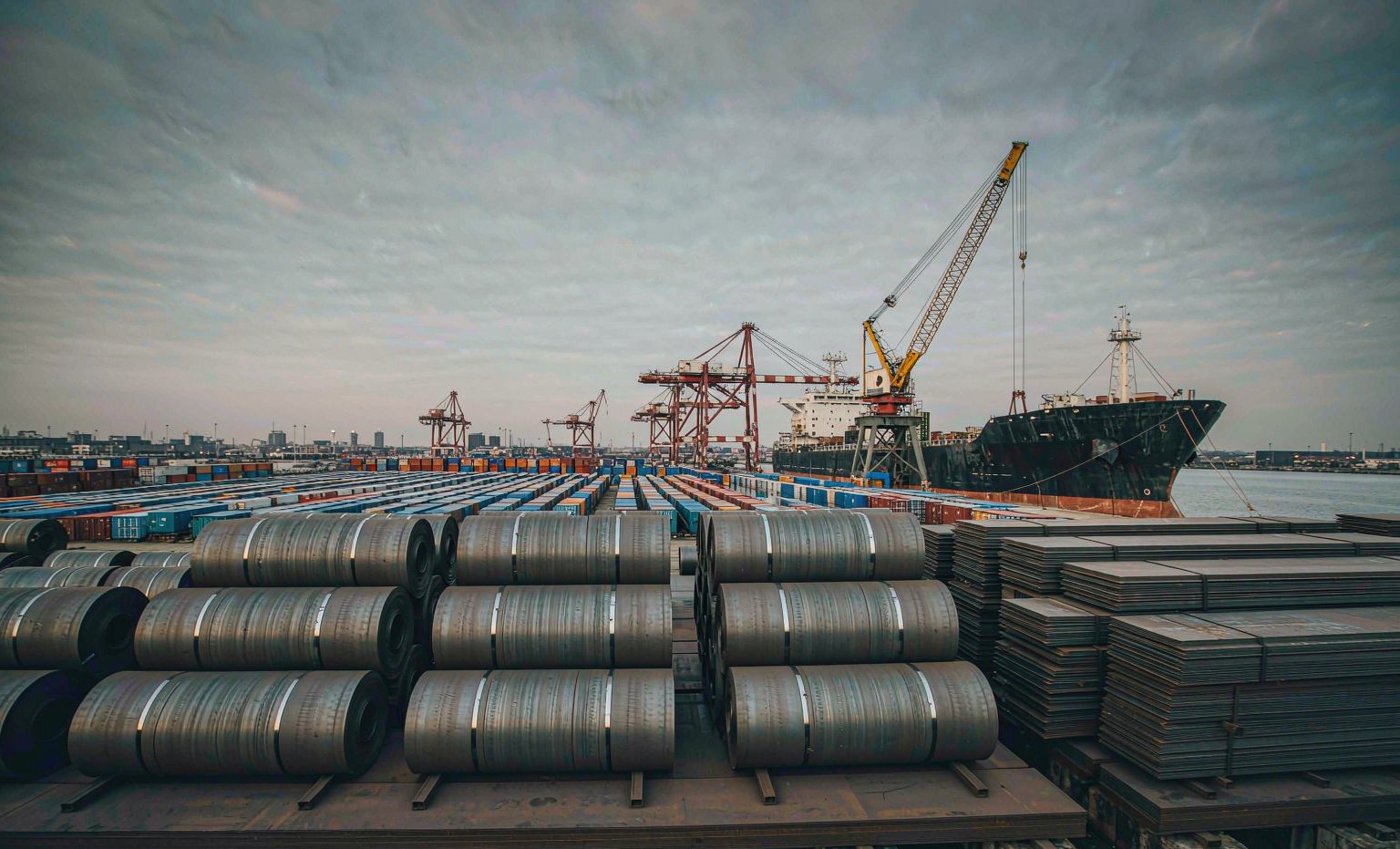
The European Union's steel import quotas for the fourth quarter of 2026 were largely consumed almost as soon as the new three-month period opened on 1 October, underlining how much tighter the bloc's trade defences have become. European Commission data cited by SteelOrbis show that within the first five days of the quarter a long list of tariff-rate quotas allocated to Turkey, China, India, Australia, Taiwan, North Macedonia and "other countries" had already been exceeded, while several more had passed 70 percent utilisation. Volumes well in excess of the nominal allocations, in some cases three times the quota size, are reported to be waiting at EU ports for customs clearance.
Turkey, historically the largest single supplier of finished steel to the bloc, exhausted quotas across a broad range of flat and long products. They include 160,573 tonnes for hot-rolled coil, 63,925 tonnes for metallic coated sheets, 59,919 tonnes for rebar, 61,147 tonnes for wire rod, 28,163 tonnes for gas pipes and 59,849 tonnes for hollow sections. China exceeded quotas for electrical sheet, metallic coated sheets, seamless pipes and non-alloy wire, with 111,256 tonnes of the coated sheet allocation reportedly queuing at the border. India ran out of allowances for quarto plate, stainless bar and light sections, gas pipes and seamless stainless tube, while Australia exceeded its hot-rolled coil quota and Taiwan its organic coated sheet quota.
The rush reflects the entry into force of Regulation (EU) 2026/1384, the European Commission's replacement for the safeguard measures that had governed steel imports since January 2019. The new regime substantially reduces the volume of steel that can enter the bloc duty-free and doubles the out-of-quota levy to 50 percent ad valorem, a level designed to make over-quota shipments commercially unattractive rather than merely costly. The Commission argued that the earlier safeguards, originally conceived as a temporary response to diversion following United States Section 232 tariffs, were no longer adequate against a global overcapacity backdrop in which excess capacity is projected to keep growing.
A distinctive feature of the new framework is the "melt and pour" transparency requirement, set out in Implementing Regulation (EU) 2026/1963 and applicable from 1 October 2026. Importers must now identify and document the country in which steel was melted and poured, with mill test certificates serving as the primary evidence. From 1 October 2027, country of melt and pour will also become one of the criteria the Commission uses when allocating quotas among supplying countries, a change intended to close the loophole whereby semi-finished steel is minimally processed in a third country to change its origin. Suppliers and their customers therefore face both far smaller allowance pools and a heavier documentation burden, and further quota exhaustion is expected to shape European steel availability and pricing through the final quarter of 2026.