Source: Mysteel (mysteel.com)
The European Union has issued its final ruling in the sunset review of countervailing duties on cold-rolled stainless steel flat products imported from India and Indonesia, confirming the continuation of existing measures. The reviewed duty rates range from 4.3 percent to 21.4 percent, depending on the exporting producer, and the duties officially took effect on November 5, 2026.
The sunset review was initiated to determine whether the expiry of the existing countervailing duties would likely lead to a continuation or recurrence of subsidization and injury to the EU stainless steel industry. The European Commission concluded that removing the duties would likely cause material injury to EU producers, as subsidized imports from India and Indonesia have historically exerted significant downward pressure on domestic prices.
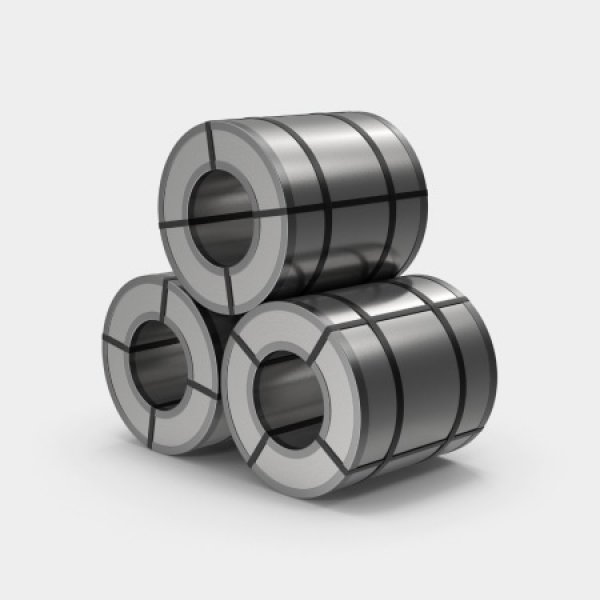
Cold-rolled stainless steel flat products are widely used in automotive, construction, kitchenware, and industrial equipment applications. India and Indonesia have expanded their stainless steel production capacities substantially in recent years, making them key export sources for both Asian and European markets. The continuation of these duties reinforces the EU's broader trade defense strategy, which has seen an increasing number of anti-subsidy and anti-dumping measures targeting steel imports from multiple origins.
For international steel traders and manufacturers, the ruling means that imports of cold-rolled stainless steel flat products from the affected Indian and Indonesian producers will continue to incur additional costs at EU borders. Market participants expect the duties to maintain a degree of price protection for European stainless steelmakers, though some buyers may seek alternative supply sources in countries not subject to the measures.
The EU's trade defense toolkit has been expanding in parallel with the Carbon Border Adjustment Mechanism and other regulatory measures, creating a more complex import environment for steel products entering the European market. Industry observers note that the combination of countervailing duties, anti-dumping measures, and emerging carbon costs is reshaping global stainless steel trade flows, with producers in unaffected regions potentially benefiting from redirected demand.