Source: China Baowu / Xinhua / Mysteel
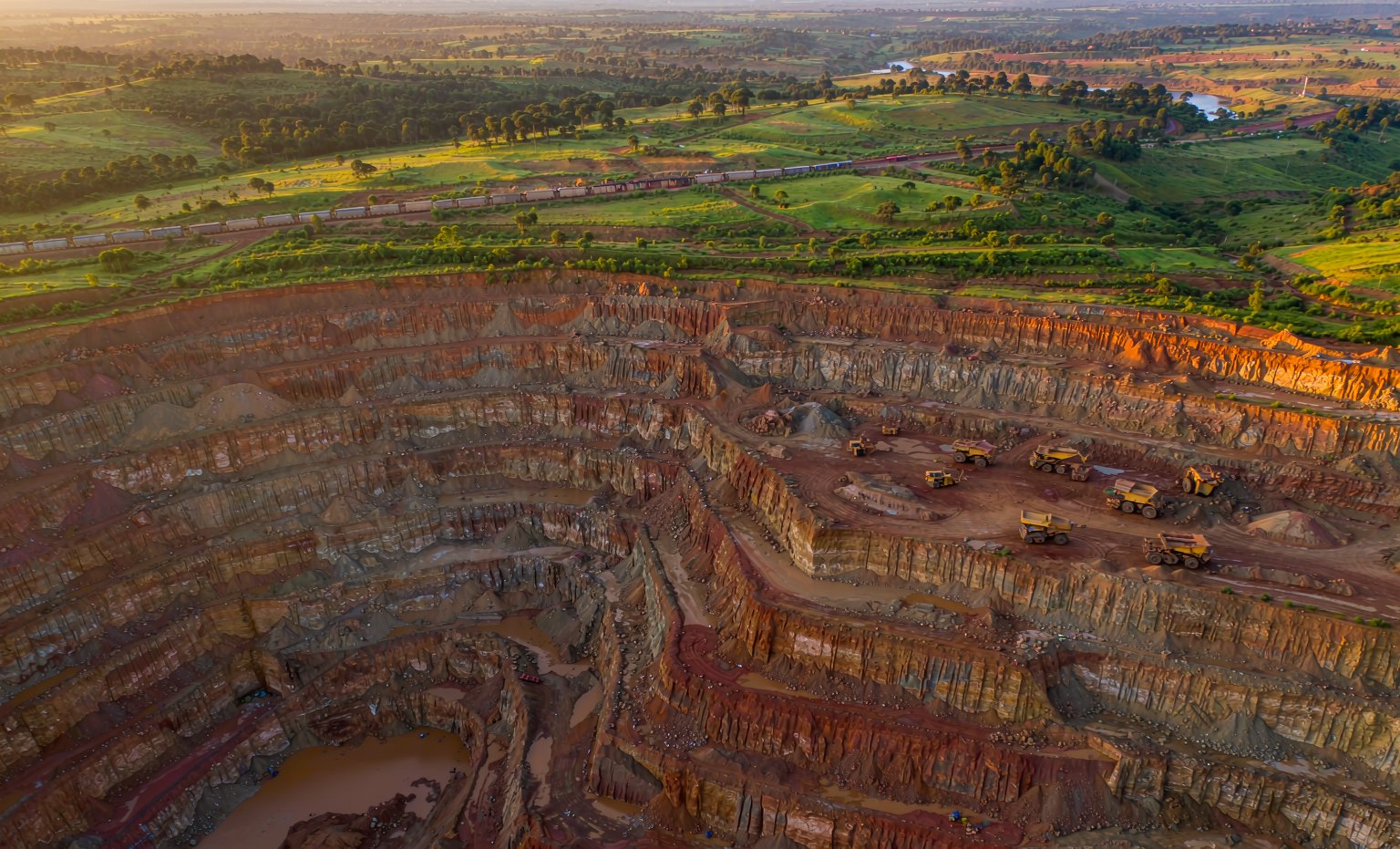
China Baowu Steel Group announced on November 10 that the second production train of the northern Simandou iron ore project in Guinea had been fully commissioned on November 6, marking the completion of the entire mine-rail-port industrial chain of the northern block. The milestone came almost one year after the first train began production in November 2025, and means the project has now shifted from construction into full-scale production and operation, according to statements carried by Xinhua and Mysteel.
The northern block consists of mining blocks 1 and 2 together with dedicated railway and port infrastructure, forming one of the largest integrated overseas resource developments ever undertaken. The deposit holds estimated resources of about 1.54 billion tonnes at an iron grade of 65.28 percent, with planned annual capacity of 60 million tonnes split equally between the two trains. Total investment across the integrated project exceeds 20 billion US dollars. China Baowu acquired a 49 percent stake in the northern mines in June 2024 and raised its holding to 51 percent in January 2026 to become the controlling shareholder. Since the first train started up two months ahead of schedule, cumulative production and shipment of finished ore has surpassed 10 million tonnes.
Simandou is widely regarded as the world's largest untapped high-grade iron ore deposit, with proven reserves of 4.4 billion tonnes across the project area. Its ramp-up adds a major new supply source beyond the Australia-Brazil shipments that have long dominated seaborne iron ore trade, and the first high-grade cargoes from the project arrived in China for sale during 2026, with tertiary crushing operations starting at Chinese ports. Higher-grade feedstock reduces slag volumes, fuel consumption and emissions per tonne of hot metal, which supports blast furnace productivity at Chinese mills and opens material for lower-carbon routes such as direct reduction. Traders and steelmakers will be watching how the climb toward 60 million tonnes of annual capacity reshapes iron ore pricing and procurement strategies over the coming years.
The developers said the project has been built in line with the IFC performance standards and the Equator Principles, with biodiversity controls and large-scale ecological restoration along the mine and railway corridors, a published environmental product declaration for the iron ore, and electric haul trucks deployed at scale. Construction at its peak created more than 60,000 jobs with a local hiring rate of 73 percent, alongside community roads, schools and hospitals in the project area.