Source: Bloomberg / SteelOrbis / Yieh.com / Australian Broadcasting Corporation
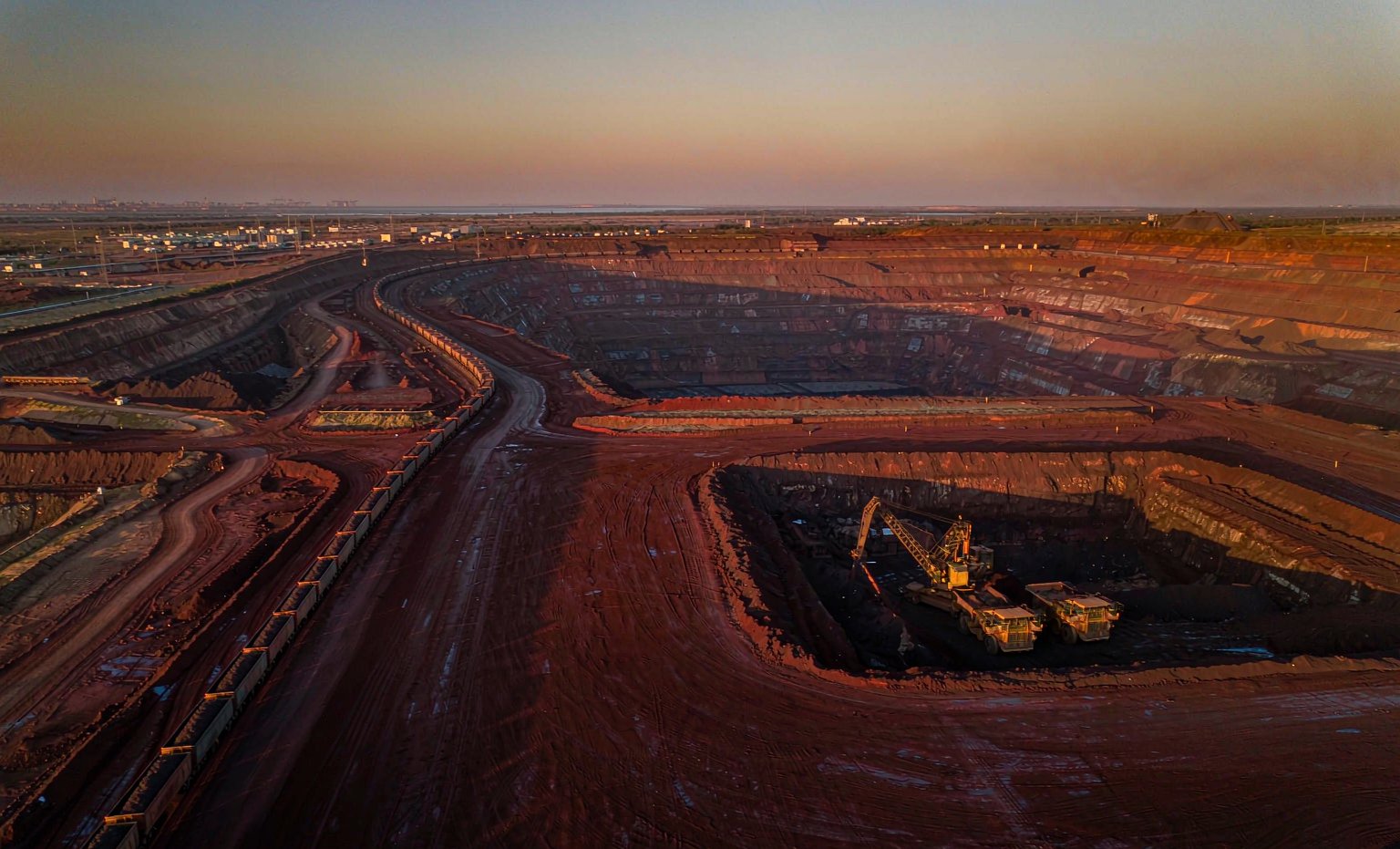
Iron ore prices on the Singapore Exchange fell below 90 US dollars per metric tonne this week, their lowest level in roughly four years, as pricing tensions escalated between Chinese steelmakers and Australian mining companies. The decline came as executives from BHP and Rio Tinto travelled to Beijing, where they were due to meet Chinese Premier Li Qiang and business leaders during a roundtable organised by the Business Council of Australia. The visit followed Australian Prime Minister Anthony Albanese's meeting with President Xi Jinping in Shenzhen, making raw material trade one of the central themes of the bilateral discussions.
At the centre of the dispute is China Mineral Resources Group, the state-backed buyer that has consolidated iron ore procurement on behalf of Chinese steelmakers and used its combined bargaining power in annual contract negotiations. During this year's talks, the group restricted Chinese steelmakers from purchasing certain products from BHP, Fortescue and Rio Tinto. BHP and Rio Tinto have since reached new supply agreements with the Chinese buyer, but Fortescue has not, and the company has warned that its operations could be affected if negotiations remain unresolved by the end of the year. Australian Resources Minister Madeleine King said the government supported open trade and viewed any manipulation of it as a cause for concern.
The price slide is beginning to weigh on producer economics. Bloomberg reported that BHP plans to restructure its Western Australian iron ore business to cut costs in response to rising expenditure and weakening prices, and has already reduced about 300 field positions in its iron ore division. Analysts are also trimming their outlook: Goldman Sachs has lowered its earnings forecasts for Australian mining companies by as much as 9 billion US dollars over the next decade, based on an assumed iron ore price range of 85 to 90 US dollars per tonne. Australia's iron ore exports are still forecast to generate around 107 billion Australian dollars in the current financial year, but each further decline in price erodes royalty and tax revenues.
Supply-side developments add to the pressure. Guinea's Simandou project, in which China Baowu holds a controlling stake, reached an annualised production rate of about 10 million tonnes in the third quarter, and the wider project is designed to export up to 120 million tonnes a year once fully ramped up, with Rio Tinto's SimFer joint venture targeting full capacity in the second half of 2028. Growing supply from West Africa gives Chinese buyers additional alternatives to Australian and Brazilian ore. For steel producers worldwide, cheaper iron ore lowers raw material costs, but for Australian exporters the outcome of the current negotiations will shape pricing power and earnings for years to come.