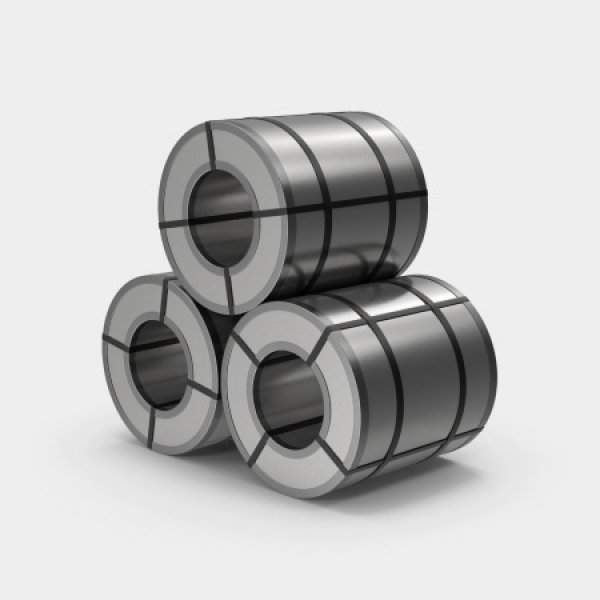
Source: Korea Ministry of Economy and Finance Notice No. 2026-107, as reported by the China Trade Remedy Information Network and Shanghai Metals Market
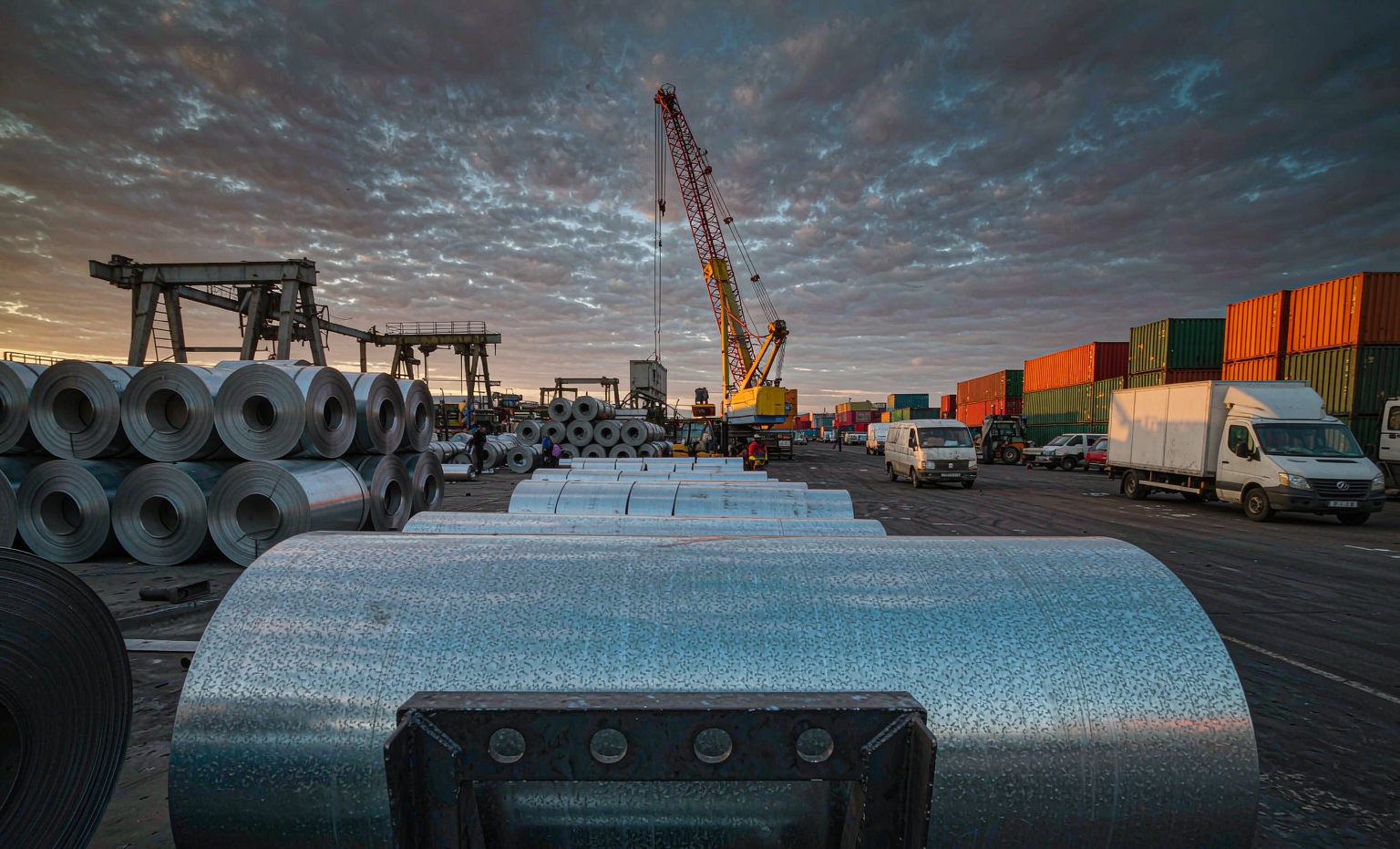
South Korea's Ministry of Economy and Finance has extended the provisional anti-dumping duties it imposed on zinc-coated cold-rolled steel products from China, according to Official Notice No. 2026-107 published on 8 October 2026. The measures, which had been due to expire on 11 October after an initial four-month period, will now remain in force until 11 January 2027 while the Korean Trade Commission completes its final determination in the investigation that began in late 2025.
The duties are tiered by exporter. Inner Mongolia Baotou Steel Union and its affiliates face the lowest rate at 22.34 percent, while Shougang Jingtang United Iron and Steel is subject to 26.28 percent. The highest company-specific rate of 33.67 percent applies to a Hong Kong-based trading entity, and all other Chinese producers and exporters fall under a residual rate of 25.75 percent. The measures cover cold-rolled carbon and alloy steel sheet and coil less than 4.75 millimetres thick that is coated with zinc, zinc-aluminium or zinc-aluminium-manganese alloys, including painted, varnished and plastic-coated products, while electro-galvanized material is excluded from the scope.
The case originated in July 2025, when three Korean coated-steel producers filed a joint petition alleging that Chinese galvanized products were being sold below fair value and causing material injury to domestic mills. The Korea Trade Commission formally opened the investigation on 28 November 2025, issued an affirmative preliminary finding in April 2026, and the finance ministry applied the provisional duties from 12 June 2026. Industry observers note that the extension is a procedural step, since South Korean trade-remedy rules typically lead to definitive anti-dumping duties of five years once injury is confirmed, with a final ruling expected in the coming months.
The extension matters for trade flows because galvanized flat steel is one of the largest Chinese steel export categories to South Korea, serving construction, automotive and appliance demand. Chinese mills have already seen their price advantage eroded since June, and some volumes previously destined for Korean buyers are expected to redirect toward Southeast Asian and Middle Eastern markets, adding to competitive pressure in those regions. The development also follows a broader pattern of tightened trade defence measures across Asian and European steel markets in 2026, as importing countries respond to record Chinese steel exports. Importers and exporters will be watching the final determination, which will decide whether duties at current levels remain in place for five years.