Source: Reuters / Mysteel Global / Yieh.com
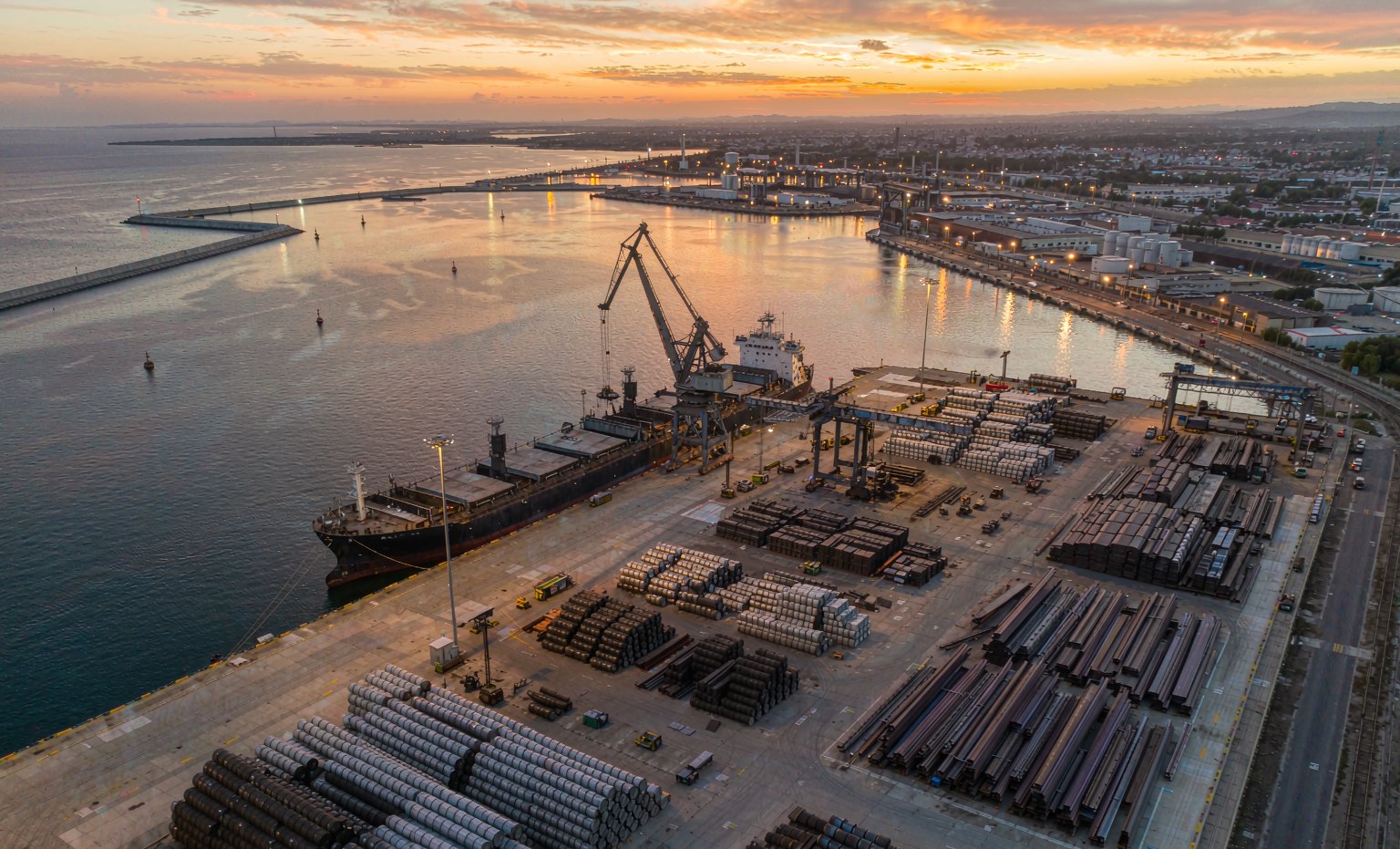
Mexico has tightened steel import traceability controls to make sure that no steel from China or other third countries is being rerouted through its territory into the United States under North America's trade pact, a senior Mexican trade official said on November 11. Luis Rosendo Gutierrez, Mexico's deputy economy minister for foreign trade, told journalists that the government had strengthened origin checks together with industry and was guaranteeing that products were not reaching the United States by exploiting Mexican trade preferences. As part of the crackdown, Mexico canceled around 1,100 registrations of steel mills, many of them in Asia, after authorities found the companies did not actually exist. Gutierrez said the cleanup had helped cut Mexican steel imports from Vietnam by as much as 80 percent in some months.
The traceability drive has produced measurable results across the supply chain. According to Gutierrez, Mexico has reduced steel and aluminum imports from third countries including China, South Korea and India by about 30 percent, stemming roughly 13 billion pesos, or about 699 million US dollars, of inbound shipments. Mysteel Global reported that the tightened regime covers products such as steel pipes, billets and structural steel, and that Mexican customs now require mill certificates to carry verifiable QR codes and wet signatures, with an explicit split between the country where the metal was melted and cast and the country where it was transformed into finished products. A dedicated automatic import notice for aluminum products has also been made mandatory.
The measures are closely tied to Mexico's effort to win tariff relief in Washington. Gutierrez said Mexico's priority is to reduce the impact of the US Section 232 tariffs on steel, aluminum and automobiles rather than to focus on a broader review of the United States-Mexico-Canada Agreement. He added that US officials had been receptive to proposals put forward by Economy Minister Marcelo Ebrard and that Mexico hoped for positive news in the coming weeks before year-end. According to a report by Yieh.com, the Mexican government maintains that the Section 232 tariffs are unjustified, noting that the bilateral steel trade balance actually shows a surplus in favor of the United States, while about 80 percent of Mexican exports to the US already enter duty free.
For steel exporters, the crackdown further narrows an already constrained set of trade channels. Mysteel Global noted that the volume of Asian steel routed through Mexico toward the United States has fallen by roughly 30 percent since the tighter rules took effect, affecting suppliers in China, South Korea, India and Vietnam that had used Mexican trade preferences as an entry point into North America. With safeguard measures, anti-dumping duties and stricter origin documentation now spreading across major destinations, exporters face rising compliance costs, and melt-and-pour traceability is becoming a standard requirement rather than an exception in cross-border steel trade.