Source: Mysteel Global / SMM (Shanghai Metals Market) / Anadolu Agency / worldsteel
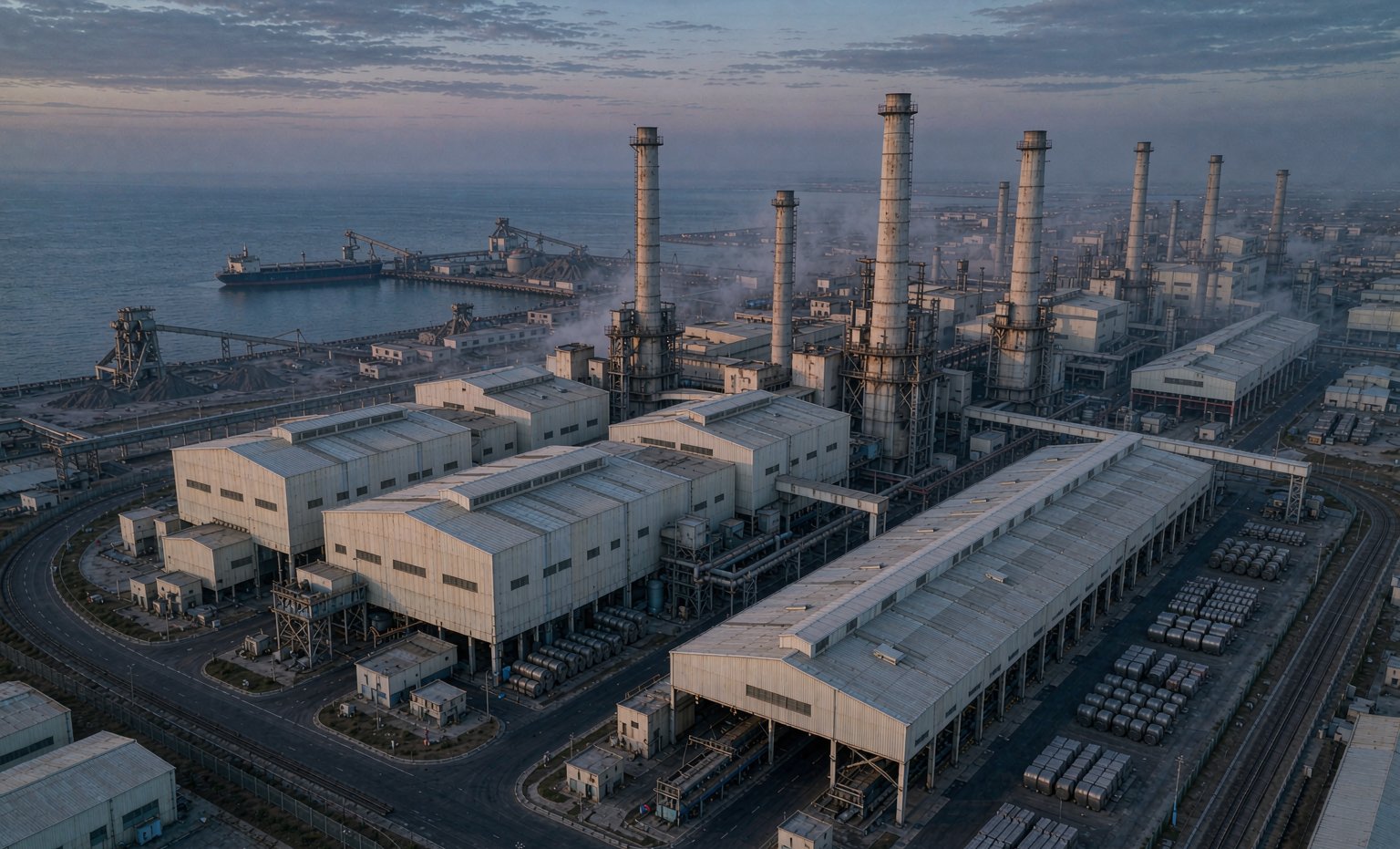
A powerful explosion and fire halted production at the Aliaga steelworks of Turkish steelmaker HABAS in Izmir province on November 9, killing at least 18 workers, a toll that labor watchdog ISIG later put at 19. Officials said a bridge crane collapsed during planned maintenance on an electric arc furnace, rupturing natural gas and oxygen lines and igniting the blast; around 200 workers were on site. Production has been suspended with no restart timetable, and market participants quoted by SMM warned the outage may last longer than two to three weeks depending on the investigation.
The criminal response was swift: an Aliaga court remanded nine suspects in custody, including senior managers, while board chairman Mehmet Rustu Basaran and one other suspect were placed under house arrest. HABAS produced 3.88 million tonnes of crude steel in 2025, roughly 10 percent of national output according to worldsteel data, and is the country's largest steel exporter. Its integrated site lists 4.5 million tonnes of liquid steel capacity, a wire rod mill, two bar mills and a hot strip mill that can roll 4.5 million tonnes of coil a year against only 2.5 million tonnes of in-house slab casting, so about 2 million tonnes of hot-rolled output already depends on purchased slab.
The market reacted immediately. Several Turkish mills withdrew offers and paused sales, and buyers in Izmir rushed to secure material. Domestic rebar held around 610 US dollars per tonne ex-works, and mills lifted domestic and export long product prices by 5 to 10 dollars on November 11, taking export offers to roughly 610 to 615 dollars per tonne FOB. Domestic hot-rolled coil stood at 630 dollars per tonne ex-works, against import HRC at about 540 dollars per tonne CFR. Imported HMS 80:20 scrap held at 407 dollars per tonne CFR, import billet slipped to 515 dollars, and Turkish mills booked about 120,000 tonnes of Chinese billet around 517 dollars per tonne CFR.
According to SMM analysis, the stoppage removes roughly 175,000 tonnes of HRC per month even before counting coil rolled from purchased slab, exceeding Turkey's average monthly net HRC imports of about 130,000 tonnes in January-September. If the hot strip mill restarts before melting, some 180,000 tonnes of slab a month must be bought in, equal to about 80 percent of Turkey's average monthly slab imports, which fell 32 percent year on year in January-September. The outage also halts roughly 260,000 tonnes of monthly scrap consumption. With anti-dumping duties of 15.42 to 43.31 percent keeping Chinese HRC landed costs above domestic prices, the clearest short-term opening is in billet, and the pace of the restart will determine how long Mediterranean prices stay firm.