Source: Xinhua, Ministry of Commerce of China, Reuters
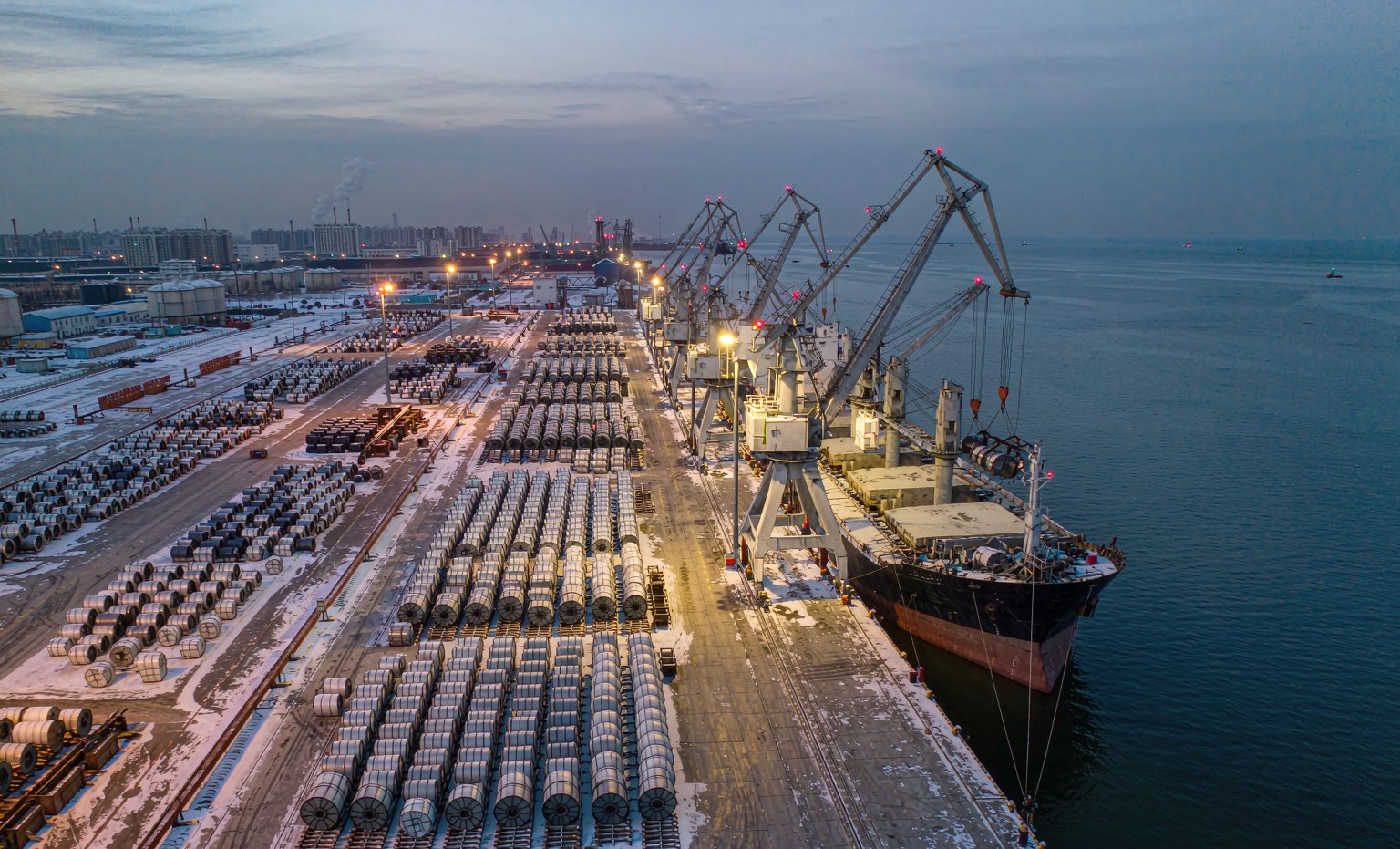
China and Canada have agreed to extend the exemption measures under their preliminary joint arrangement on bilateral trade issues by two years, with Canada set to further expand the scope of exemptions for Chinese steel and aluminium products, China's Ministry of Commerce announced on 17 November. In return, China will further adjust the anti-discrimination measures it has applied to certain Canadian agricultural and aquatic products, in accordance with relevant laws and regulations. A ministry spokesperson said the supplementary joint arrangement was reached after multiple rounds of economic and trade consultations conducted in a spirit of mutual respect and win-win cooperation.
The preliminary arrangement dates from January 2026, when Canadian Prime Minister Mark Carney visited China and the two sides signed a China-Canada economic and trade cooperation roadmap covering electric vehicles, steel and aluminium products, and agricultural and aquatic goods. According to the Canadian Prime Minister's Office, China will grant additional tariff exemptions covering about 400 million Canadian dollars of Canadian exports, including frozen pork, fish and seafood, while Canada agreed to extend the tariff relief applied to certain Chinese steel and aluminium products that had been due to expire at the end of 2026. The announcement came as Chinese President Xi Jinping met Mr Carney in Shenzhen ahead of the APEC economic leaders' meeting, where both leaders called for deeper trade and energy cooperation and greater political trust.
For the steel trade, the extension secures continued lower-tariff access for qualifying Chinese steel and aluminium shipments into the Canadian market, a channel that had been largely shut after Ottawa imposed a 25 percent surtax on Chinese steel and aluminium in 2024. Mills and traders of flat-rolled, coated and downstream steel products gain more certainty on costs and order planning, and Canadian fabricators and construction buyers retain a broader supply base at a time when North American steel prices remain well above world export levels.
The deal follows the extension this month of the suspension of additional Chinese tariffs on United States imports, adding to signs that major trading partners are tempering tariff conflicts rather than escalating them, even as the European Union tightens its import regime. Both governments said they will expedite domestic procedures to put the agreed measures into effect, make full use of the China-Canada Joint Economic and Trade Commission mechanism, and continue exploring further arrangements. The two sides also reached consensus on e-commerce cooperation, the establishment of branches of Chinese-funded banks in Canada and improvements to the business environment, and Mr Carney reiterated Canada's target of raising exports to China by 50 percent by the end of 2029.