Source: Mysteel / Reuters
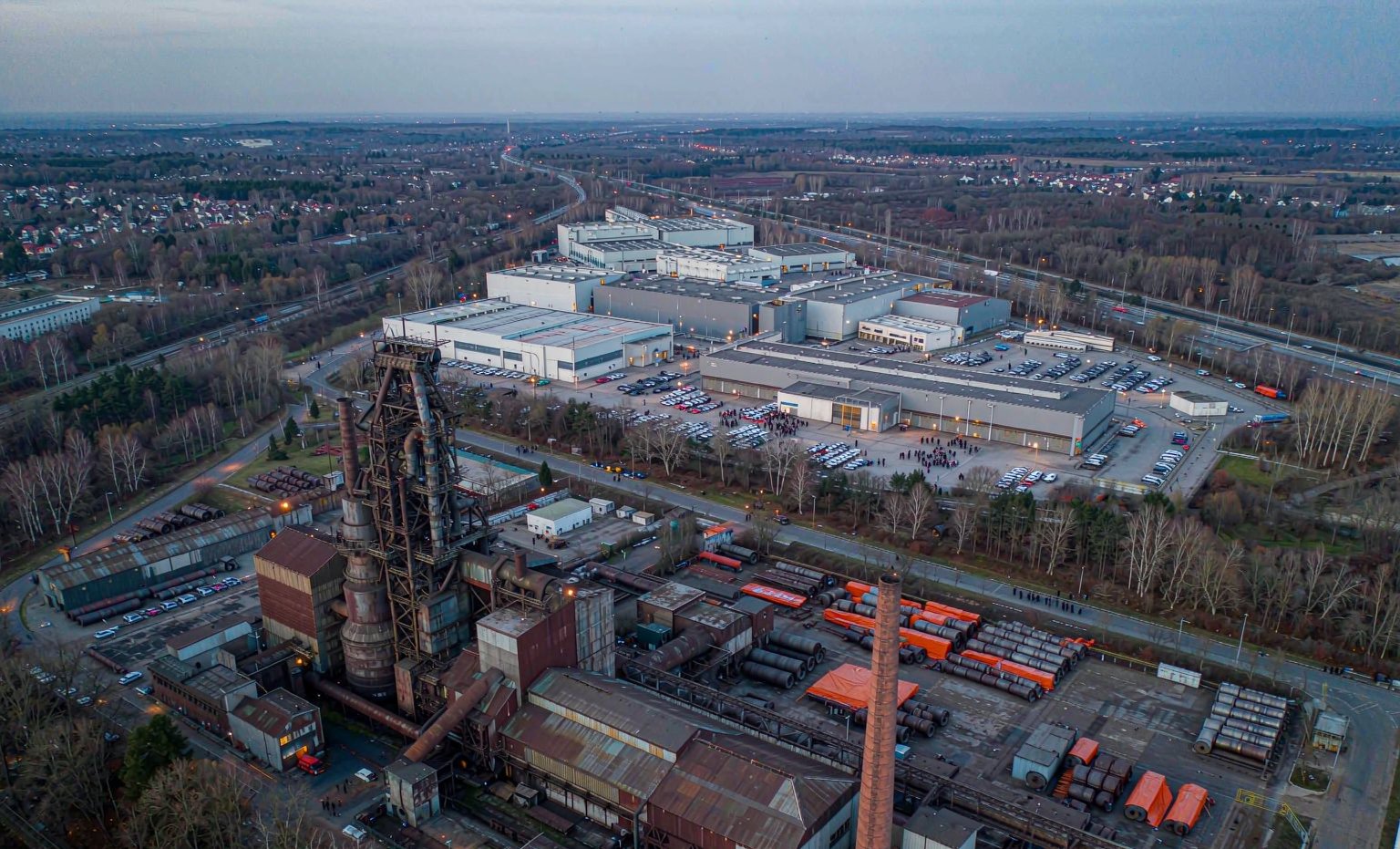
IG Metall, Germany's largest trade union, staged 24-hour warning strikes on 20 November at hundreds of steel, automotive and metalworking companies across the country, the first full-day stoppages the union has called during a bargaining round since 2018. The walkouts affect the metal and electrical engineering industry, which covers around 3.7 million employees, and halted work at plants including BMW's sites in Munich, Dingolfing and Landshut, Audi's Ingolstadt factory, and facilities run by suppliers Bosch and ZF. According to figures released by the union, around 12,300 employees at 17 sites took part in the Friday action, which began with night shifts at component makers late on 19 November. Mysteel reported that steel and automotive output in Germany now faces tangible disruption.
The dispute centres on pay and job security in a sector struggling with weak demand, high energy costs and intensifying global competition. The union is demanding a 5 percent wage increase over twelve months, a 110 euro rise in apprenticeship allowances, and binding commitments on employment, investment and production sites, along with profit-sharing arrangements in financially healthy segments. Employer association Gesamtmetall has offered no permanent pay increase for the first twenty months of the agreement, followed by a 1.3 percent rise from July 2028, and a one-off payment equal to 1 percent of annual gross pay in July 2027 that struggling companies may withhold. Employers are also seeking more flexibility to cut supplementary payments and extend working hours. IG Metall's counter-proposal, which would allow companies to deviate from the industry-wide agreement in exchange for binding guarantees on German investment and products, has so far been rejected.
The confrontation escalated further over the weekend. On Sunday the union called a second 24-hour strike for Monday 23 November, urging some 23,000 workers across 19 companies in northern Germany to walk out, including employees at Mercedes-Benz, shipbuilder Meyer Werft and wind turbine maker Siemens Gamesa. Earlier short warning strikes in Bavaria had already drawn more than 118,000 participants, and the union says nearly half a million workers have joined stoppages since the dispute began. A fourth round of negotiations has not yet been scheduled, and calling an open-ended strike would require a further ballot among members.
Industry observers are watching the standoff closely because the settlement is expected to set the pattern for pay rounds covering millions of German workers in 2027. For steelmakers and metal suppliers, many of which are already restructuring capacity and lobbying for electricity price relief, a prolonged stoppage would compound an operating environment that remains under strain. The dispute adds a further layer of uncertainty for German industrial supply chains at a time when European steel demand is still fragile.