Source: SteelOrbis / Siscomex / OECD
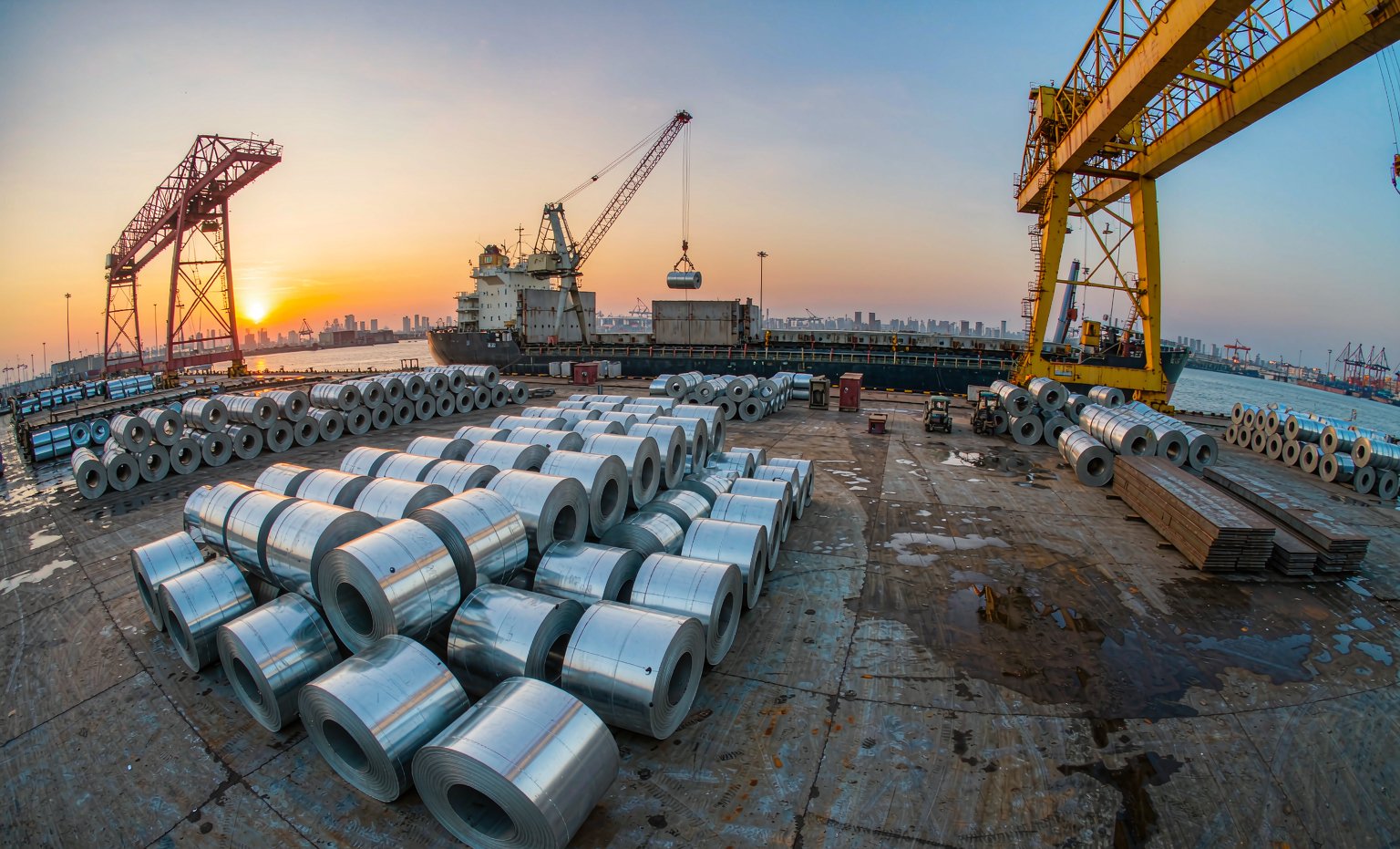
Brazil's foreign trade system Siscomex has released a fresh round of steel import quotas covering the period from 26 October 2026 to 25 February 2027, keeping volumes at the same levels as the previous round that ran from late June through October. The allocation includes 899 metric tons of plate in coil, 25,284 tons of hot-rolled coil, 54,376 tons of cold-rolled coil, 144,286 tons of zinc-coated sheet, 147,038 tons of galvalume and 22,774 tons of wire rod. Shipments within the quotas pay regular tariff rates of 9 to 16 percent, while volumes above the limits are subject to a 25 percent import tax.
Utilisation data from the first quota update on 11 November show cold-rolled coil volumes 66 percent consumed, followed by galvalume at 47 percent, zinc-coated sheet at 44 percent, plate in coil at 36 percent, hot-rolled coil at 17 percent and wire rod at just 3 percent. Average utilisation of 44 percent across all products was considered high at such an early stage of the quota window. Market sources told SteelOrbis that the quota regime has struggled to curb inflows, as substantial volumes continue to enter duty-free through the Manaus free trade zone in the northern state of Amazonas before being distributed to markets in the south of the country.
The renewal comes as regional trade pressures intensify. A report published by the OECD on 17 November found that combined direct and indirect steel imports into Latin America's six major steel-producing economies jumped 47 percent, from 37.6 million tons in 2019 to 55.4 million tons in 2025, with China the dominant source and its combined shipments more than doubling over the period. Import penetration climbed from 33.8 percent to 40.3 percent, while regional capacity utilisation remained near 60 percent despite demand of about 76.7 million tons. Intra-regional trade fell 45 percent, and steel exports from Brazil and Mexico each dropped by roughly 34 percent.
At the Alacero Summit held in Mexico on 10-11 November, OECD steel unit head Anthony de Carvalho and American Iron and Steel Institute president Kevin Dempsey urged Latin American governments to move from diagnosis to coordinated action under the Global Forum on Steel Excess Capacity's Milwaukee Framework, including melt-and-pour tracing, self-initiated trade remedies and joint anti-circumvention measures. Dempsey called on Mexico, Canada and other regional producers to adopt their own defensive measures, arguing that stronger national protection would complement the US Section 232 programme. For coated flat-product suppliers, Brazil's zinc-coated and galvalume quotas remain the largest room in the system, but rising above-quota costs and tightening regional trade defences point to a more protected Latin American market through early 2027.